
How to Become a Travel Agent in Colorado: Steps, Requirements, and Licensing Guide
To become a travel agent in Colorado, you need a strong interest in travel, access to the internet, and a willingness to learn basic industry skills. Many companies and organizations offer training, licensing help, and mentorship programs to guide you as you start your new career.
You can find online courses that prepare you for the Travel Agent Proficiency (TAP) test and give you the knowledge you need for the job. Working as a travel agent is usually open to anyone who is ready to learn and help others plan their trips.
Understanding the Role of a Travel Agent
As a travel agent in Colorado, you help clients book flights, hotels, and tours. You use good planning, sales skills, and research to find the best travel options that fit each client’s needs.
Overview of Travel Arrangements
Travel agents handle many tasks, including booking airfare, hotels, rental cars, and cruises. You need to understand different travel products and know how to compare prices and options across platforms.
You may also arrange travel insurance, airport transfers, or event tickets to make trips smoother for your clients. Handling special requests, like dietary needs or accessible rooms, is also part of the job.
Clients often ask for help with international travel, like visas or passport guidance. This means staying updated on entry requirements, baggage rules, and safety alerts. Being well-organized and detail-oriented matters since a missed detail can cause big problems during a trip.

Essential Sales Skills
Sales skills are important in this job because you must match clients with suitable packages and upgrades. You listen to what clients want and suggest travel experiences that fit their style and budget.
Building trust helps you gain repeat business and referrals. You use clear communication to share information and answer questions about travel plans. Good agents know how to find deals, upsell extras, and help clients see the value in your services.
It helps to keep track of bookings, follow up on leads, and close sales quickly. Here are examples of common sales tasks:
- Recommending destination packages
- Upselling travel insurance
- Promoting exclusive tours or activities
- Handling payments and invoicing
Importance of Planning and Research
Planning and research are part of every booking. You research destinations, look for the best prices, and keep up with travel trends and safety updates.
Comparing airlines, hotels, and tours takes time, but it makes trips better for your clients. You also check reviews, cancellation rules, and travel advisories before confirming anything. This ensures clients have a smooth and safe trip.
Tools like online booking engines, travel forums, and supplier websites can help you gather accurate information. By planning ahead and double-checking details, you cut down on mistakes. Keeping strong research habits makes you a reliable and trusted travel agent.
Minimum Requirements to Become a Travel Agent in Colorado
To become a travel agent in Colorado, you should meet a few basic educational, legal, and skill-related requirements. These are needed to legally work, find clients, and perform your job well.
Educational Background
A high school diploma or GED is the most common educational requirement for new travel agents in Colorado. Most employers and clients expect you to have at least finished high school.
While a college degree is not required, classes in business, geography, or sales can help you stand out. Some travel agents choose to take online courses or certifications like the Travel Agent Proficiency (TAP) test. These programs teach you about booking systems, destinations, and customer service.
A formal certificate or degree is not usually needed by law, but extra training may make you more competitive. Short-term classes, webinars, or job shadowing can be helpful for learning the basics.
Legal and General Qualifications
You do not need a state license to become a travel agent in Colorado. The main legal requirement is obtaining an IATA (International Air Transport Association) number if you want to book flights directly for clients. This unique identifier allows you to access travel industry systems.
You should also register your business if you want to open your own travel agency. This usually means filing with the Colorado Secretary of State and choosing a business structure, like a sole proprietorship or LLC.
There are no background checks or special state exams required by Colorado law for travel agents. However, following general business laws, being honest about your services, and keeping good records are important for success.
Skills Needed to Succeed
Strong communication skills help you work with clients and travel companies. You must explain travel options clearly and listen to your customers’ needs.
You need good sales skills to attract customers and close bookings. Problem-solving skills are useful for handling issues such as delays or changes in travel plans.
Organization and attention to detail are important for handling reservations, payments, and travel documents. Basic computer skills are needed for booking software and managing emails.
Empathy, listening, and patience help you offer better service and keep clients coming back. Being adaptable also helps you deal with changes in travel trends or client requests.
Getting Started: Steps to Launch Your Travel Agency Career
Starting a travel agency in Colorado means learning about the local market, technology, and ways to stand out. You will want to be familiar with trends, pick the right tools, and define your special area of focus to attract more clients.
Researching the Industry in Colorado
Begin with a close look at travel trends and preferences in Colorado. Research common vacation spots, activities popular with locals, and the types of trips people book the most, like ski getaways or national park tours.
Learn about the state’s rules for running a travel agency. In Colorado, you typically do not need a special license, but joining a host agency can help you get started faster. A host agency offers resources, training, and important connections.
Check out the competition by visiting other agencies’ websites or reading customer reviews. Find out what services they offer and what they might be missing. Use this information to plan your approach and offer something unique.
Booking Systems and Tools
Modern travel agents rely on booking platforms and software to manage reservations. Global Distribution Systems (GDS) like Amadeus or Sabre help you search and book flights, hotels, and cars for your clients.
You will need to learn how to use these platforms to plan trips step-by-step. Many host agencies provide access and training on the main systems. Take online courses or practice using training modules to gain confidence.
Also, consider tools for client management, such as CRM (Customer Relationship Management) software, and accounting apps. Keeping organized records makes planning trips, tracking bookings, and handling payments quicker and easier.

Choosing a Niche
Selecting a niche can help you stand out. Focus areas could include adventure travel, luxury vacations, group tours, or family-friendly trips. Colorado’s strong outdoor scene might inspire you to specialize in ski vacations, hiking tours, or national park visits.
Think about your personal interests or travel experiences. Your background can make you more trustworthy to clients looking for expertise in certain areas.
Choosing a niche also lets you become an expert in a specific kind of trip. You can build partnerships with local businesses, find unique offers, and market your services more effectively to the right audience.
Understanding Certification and Training Options
Becoming a travel agent in Colorado does not require state licensing or a specific accreditation. You can improve your skills and job prospects through recognized certifications and reliable training programs.
Professional Certifications
You do not need a certificate or license from Colorado to become a travel agent. Even so, earning a professional certification can help you gain trust from clients and employers. The Travel Institute offers industry-recognized options like the Certified Travel Associate (CTA) and Certified Travel Counselor (CTC).
These certifications prove that you have specialized knowledge. Most programs involve passing an exam and completing coursework on booking travel, customer service, and travel rules. Some certifications require work experience or prerequisites, such as a high school diploma or previous training.
Having a certification can help you stand out, especially if you want to work for a travel agency or partner with a host agency. It also shows you are committed to learning and following best practices.
Training Providers and Programs
Several training providers offer courses you can take online or in person. These programs teach you the basics of booking travel, using booking software, and understanding travel laws. Many new agents enroll in online training for flexibility and easier access.
Some host agencies provide training and support when you join them, which can include tools, business advice, and customer service tips. Other resources include specialized programs, such as those offered by The Travel Institute.
Many programs help you prepare for the Travel Agent Proficiency (TAP) test, which is a good starting point if you want to measure your skills. It is important to compare programs based on cost, curriculum, and support services before enrolling.
Legal and Regulatory Requirements in Colorado
To work as a travel agent in Colorado, you must follow local laws and meet key registration and license requirements. Understanding how to set up your business and follow state rules will help you avoid issues and operate legally.
Business Registration and Licenses
You need to set up your business with proper state records. Most travel agents in Colorado register as sole proprietors, LLCs, or corporations. You must choose a business structure that fits your needs. After deciding, you should register your business with the Colorado Secretary of State online.
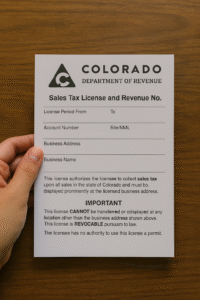
A sales tax license from the Colorado Department of Revenue may be required if you sell taxable products such as travel packages with physical goods. If your business provides only services, this license may not be needed.
You should also check with your city or county for any local business license requirements. Keeping your registration current and renewing as needed is important. You do not need a special state-issued license in Colorado just to be a travel agent, but you must still follow general business laws.
Compliance with State Laws
Colorado does not have specific travel agent licensing, but you must follow laws that apply to any business in the state. You must have an IATA number (International Air Transport Association) if you want to book flights for clients or work with certain travel suppliers. This number acts as your unique industry ID.
Keep accurate business records, provide proper receipts, and follow state and federal tax rules for your earnings. If you sell travel to residents of certain states like California or Florida, check for “Seller of Travel” laws in those areas.
If you plan to advertise or take payments online, make sure to follow consumer protection laws. Always be honest in your marketing and billing. Having clear refund and cancellation policies is also important so clients know what to expect.
Joining Professional Associations and Networks
Building connections with other travel agents and joining trusted organizations will help you grow your skills and find more business opportunities. Being part of a network or association gives you tools, knowledge, and support at every stage of your career.
Benefits of AAA and Industry Networks
Membership in groups like AAA (American Automobile Association) gives you access to credible industry resources. AAA offers travel agent certification, marketing materials, and a trusted brand that clients recognize. You gain discounts, access to special rates, and can use AAA’s network when booking hotels, tours, and rentals for your clients.
Industry networks, such as local travel agent associations, often organize networking events and social gatherings so you can meet others in the field. This helps you share experiences, find mentorship, and stay informed about local market trends in Colorado.
Being in these professional circles can bring you referrals, early updates on deals, and even training opportunities. You may also get support on legal, insurance, and best business practices, which can be important when starting out.
Continuing Education and Events
Staying current is necessary, so many associations hold workshops, webinars, and annual conferences. These events focus on booking systems, destination updates, customer service, and recent travel policies.
You can complete certification programs or earn specialist badges for different destinations or types of travel. AAA, for example, provides updated training for agents wanting to become destination experts or learn about new travel products.
Most events provide the chance to ask questions and have one-on-one time with experts and suppliers. Meeting face-to-face at these gatherings also helps you build relationships that are valuable for your business. Ongoing education ensures you deliver accurate advice and top-quality service to your clients.
Understanding Travel Insurance and Client Liability
Travel insurance protects your clients from unexpected problems like trip cancellations, medical emergencies, or lost luggage. As a travel agent in Colorado, you also have important responsibilities to make sure clients understand insurance options and to avoid legal issues.

Recommending the Right Travel Insurance
You should always talk with your clients about travel insurance, even if they have not asked for it. Many policies offer coverage for trip cancellations, emergency medical expenses, lost belongings, and even travel delays. Explain the main types of travel insurance in simple terms:
- Trip Cancellation/Interruption
- Medical Expenses
- Lost or Delayed Baggage
- Travel Delay
Ask questions to understand your client’s needs and itinerary. Advise clients on plans that fit their budget and the type of trip they are taking. Always suggest that clients read the policy details to know what is covered and what is not.
Most importantly, never describe a policy as “all-inclusive” or make guarantees about getting refunds. Use clear, honest language and encourage clients to ask questions if they are unsure about coverage.
Liability Considerations for Agents
As a travel agent, you can be held responsible if you give wrong information or do not tell clients about important insurance options. Liability can also come from not explaining the limits or exclusions of a policy.
- Keep records of all conversations and recommendations.
- Provide written materials about insurance products.
- Do not make promises that are not backed by the insurance company.
Clients may try to hold you responsible for losses if they feel you did not explain risks. Protect yourself by being thorough and honest. Stay current with Colorado state laws regarding travel agent liability.
Regular training can help you understand your duties and avoid common mistakes.
Maximizing Earnings Through Discounts and Commissions
Earning more as a travel agent in Colorado depends on using supplier discounts and understanding your commission rates. You can often increase your profits by leveraging these two income sources wisely.
Negotiating Supplier Discounts
As a travel agent, you may qualify for special rates from airlines, hotels, cruise lines, and tour operators. These supplier discounts are not automatic. You will usually need to prove that you are a registered agent or belong to a host agency.
Some companies offer familiarization trips (FAMs) at discounted rates so you can learn about the destinations you book. When working with suppliers, always ask if there are agent-only discounts or extra perks for your clients.
Keeping records of your bookings and sales can help you negotiate better deals, especially as your business grows. Many larger suppliers have loyalty programs or tiered discount systems based on sales volume, so the more you sell, the better your potential savings.
Commission Structures in Colorado
Travel agents in Colorado most often earn money through commissions paid on bookings. The typical commission rate ranges from 10% to 20% depending on the travel product and your agreements with suppliers.
For example:
| Travel Service | Typical Commission Rate |
|---|---|
| Hotel Bookings | 10% – 15% |
| Cruises | 12% – 18% |
| Tour Packages | 10% – 16% |
| Car Rentals | 5% – 8% |
Most agents join a host agency which negotiates commissions with big suppliers. The host agency may take a small percentage of your earnings in return for access to higher commission levels and support.
You may be paid commissions after your client completes travel, so it’s important to keep track of payments and due dates. Be sure to read all commission agreements before signing to avoid misunderstandings.
Building and Growing Your Travel Agency Business
To establish your travel agency in Colorado, you need to know how to reach potential customers and keep them returning. Effective marketing and good client management are key parts of long-term business success.
Marketing Strategies for New Agents
To find clients, make sure your business has a solid online presence. Build a simple website with your contact information, services, and client reviews. Create business profiles on social media platforms, such as Facebook and Instagram.
Consider joining online travel forums or local business groups. Use email newsletters to update clients about special deals, travel tips, or new services.
Ideas to help bring in new customers:
| Method | Description |
|---|---|
| Social media advertising | Run paid ads targeted by location/interests |
| Partnerships | Team up with local hotels or tour guides |
| Referral incentives | Give a discount to clients who refer someone |
Attend local events or fairs to meet people in your area. Be ready to answer questions and share what makes your agency unique.
Client Retention Techniques
Staying in touch with your clients is important. After a trip, thank your customers by email or a handwritten postcard. Ask for feedback to show that you care about their experience.
Offer loyalty perks, such as a small discount or a free travel guidebook after several bookings. Always respond quickly to questions or problems.
Other effective ways to keep clients include:
- Remembering birthdays or anniversaries and reaching out with a special offer
- Sending reminders about passport renewals or travel trends
- Sharing personalized recommendations based on past trips
Building trust takes time. Consistent, friendly service helps make sure your clients come back and recommend you to others.

Frequently Asked Questions
In Colorado, you can become a travel agent without a special state license, but you may still need a business license. Most new agents pay for training, a business license, marketing, and industry registration. Your first-year income can be unpredictable, especially if you are just starting.
What are the steps to becoming a certified travel agent in Colorado?
You will first need to register your business and get any required licenses. Next, apply for an IATA number to work with travel suppliers. Many agents join a host agency to access better training, tools, and support. You can also take travel agent training programs to learn skills.
Are there specific educational requirements for travel agents in Colorado?
There are no strict educational requirements from the state. Some employers or host agencies want you to have a high school diploma or GED. While a college degree is not necessary, extra courses in travel, business, or customer service can help you stand out.
What are the estimated initial costs for starting a travel agency in Colorado?
Startup costs vary. You should plan for costs like getting a business license, training courses, website setup, and an IATA registration if needed. Many new agents spend between $500 and $3,000 to start, depending on their business plan and marketing choices.
How can I receive travel agent training online if I’m based in Colorado?
You can sign up for online courses that teach you the basics of planning travel and booking trips. Some national organizations offer online travel agent training with industry certifications. You can study at your own pace and may also prepare for exams like the TAP test.
What income can I expect from my first year as a travel agent in Colorado?
Income can be low when you are just starting. Many new travel agents earn less than $25,000 in their first year. Your pay depends on your sales, how many clients you have, and the commissions you receive. Some people work part time as they build their business.
What strategies contribute to becoming a successful travel agent in Colorado?
To succeed, focus on a travel niche you know well, such as family trips or adventure travel. Build relationships with local clients and use social media for marketing. Continuing your education and joining a host agency can also help you grow your client base and skills.