
How to Become a Travel Agent in Nevada: Licensing, Training, and Job Steps
You do not need any specific education or a state license to become a travel agent in Nevada. This means you can start your journey right away, whether you want to work from home or join a local agency. Many people choose this job because it offers the chance to help others plan trips and explore new places.
Getting started is simple, but finding a reliable host agency or taking travel agent training can give you important skills. Host agencies often provide support, resources, and training to help you learn the business faster and serve your clients better.
If you enjoy planning vacations and learning about travel, this might be the right career for you. As a travel agent in Nevada, you can build your own business and help people make lasting memories.
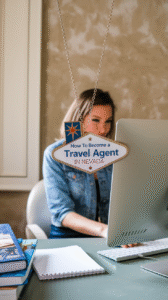
Understanding the Role of a Travel Agent in Nevada
As a travel agent in Nevada, you work with customers to plan and book a variety of travel experiences. Your daily work includes researching destinations, handling reservations, and making sure your clients have everything they need for a smooth trip.
Responsibilities and Daily Tasks
You will speak with clients by phone, email, or in person to find out where they want to go and what they want to do on their trip. Common requests include booking hotel accommodations, cruises, or guided tours.
Your daily tasks include searching for travel deals, making reservations, creating itineraries, and answering clients’ questions. You will manage payments and keep track of important travel documents. Travel agents often need to solve problems quickly if clients run into issues during their trips, such as missed flights or hotel overbookings.
Keeping up with changes in the travel industry is also part of your job. New travel rules or deals can affect your clients, so you must stay informed.
Types of Travel Services Offered
You can offer a range of services, depending on your interests or client needs. These usually include booking flights, hotel accommodations, car rentals, and cruises.
Many agents in Nevada also organize group tours, sightseeing activities, and event tickets. Some even arrange travel insurance or special packages for weddings, honeymoons, or business trips.
You might focus on certain destinations or cater to types of travelers, such as families or seniors. Offering extra help with visas or travel tips can make your service stand out.
Benefits of Becoming a Travel Agent
Being a travel agent in Nevada gives you flexible work options. You may work at a local agency, join an online host agency, or run your own business from home.
You can often get travel discounts for yourself. These could include lower rates on hotel accommodations, tours, and cruises, which let you explore new places affordably.
You help people create memorable trips and learn more about the world. The job offers a mix of customer service, planning, and discovering the latest in the travel industry. Networking with tourism companies and other agents can open up new opportunities.
Nevada Licensing and Legal Requirements
To work as a travel agent in Nevada, you need to meet certain business and legal requirements. These include getting the right licenses, following state laws, and choosing how to legally set up your travel business.
State and Local Business Licenses
You are required to have a Nevada state business license to legally operate any travel agency, whether it’s home-based or in an office. Apply for this license through the Nevada Secretary of State’s office, either online or in person.
In addition, check with your local city or county for any extra business licenses or permits. Some cities may have their own requirements, which often include a local business license or zoning permits for home offices.
Keep all your business documentation up-to-date, as licenses must be renewed annually. Operating without the proper business license can result in fines or your travel agency being shut down.
Regulatory Compliance
Nevada does not require a state-specific travel agent license or certification to sell travel. However, you must comply with federal and state business regulations. If you sell travel as an agent for a larger agency, you may need to be listed under their International Air Transport Association (IATA) number or apply for your own if you operate independently.
It’s critical to understand consumer protection requirements. Always provide clear terms and conditions for your clients and comply with all truth-in-advertising laws. Make sure you keep customer payments secure and use reputable suppliers, as you are responsible for safeguarding client funds.
You should also keep records of all transactions. If you cross state lines with sales, check if those states have seller of travel laws or registration requirements.
Legal Structure and Registration Options
Pick a legal structure for your travel business based on your needs, tax situation, and risk tolerance. Common options in Nevada include:
- Sole Proprietorship: Easiest to start, but no personal liability protection.
- Limited Liability Company (LLC): Offers liability protection; requires state registration.
- Corporation: More complex, best for larger operations and those needing investments.
Register your chosen structure with the Nevada Secretary of State. Set up a tax identification number (EIN) from the IRS for tax purposes, especially if you plan to hire employees or work as an LLC or corporation.
Carefully consider liability and business needs before choosing your structure. Consult a legal or business advisor if you have questions.
Education and Training for Travel Agents
In Nevada, there is no official educational requirement to become a travel agent. However, professional certifications and ongoing training can boost your skills and make it easier to find work in the industry.
Recommended Certifications
Even though a high school or college degree isn’t required, earning a certification can help you stand out when looking for clients or host agencies. The most recognized entry-level certification is the Travel Agent Proficiency (TAP) test offered by The Travel Institute. This exam covers basic travel knowledge, booking procedures, and customer service skills.
Many companies prefer agents who complete formal training programs or certification courses. These programs may be available online or through schools like the College of Southern Nevada. Some organizations, including the American Society of Travel Agents (ASTA), also offer short courses and certificate options.
Certifications from trusted organizations signal to employers and clients that you are serious about your work. They can also give you access to more job listings and higher commissions.
Professional Development Opportunities
After earning your first certificate, continuing education is important in the travel industry. You can join training events and workshops offered by industry groups such as The Travel Institute and ASTA. These events cover topics like new destinations, updated regulations, and emerging travel technologies.
Online courses and webinars are popular for busy agents who want to learn while working. Many travel agencies and host agencies offer their own internal training programs, too. Staying connected with professional associations gives you access to networking, industry updates, and free resources.
Professional development helps you provide better service to clients. It also prepares you for changes in the travel industry, making you a more effective agent.
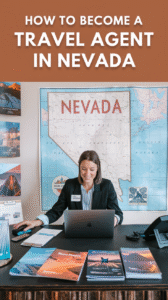
Starting a Home-Based or Brick-and-Mortar Travel Business
You can run a travel business from your home or set up a physical office. Each option has different needs for space, equipment, and business requirements.
Home Office Setup Requirements
A home-based travel business allows you to work remotely and save on rent. You need a dedicated workspace that is quiet and free from distractions. Set up a solid internet connection, a reliable computer, and a professional phone system.
You should have a filing system for client bookings and important documents. Using booking software helps manage trips, payments, and customer details securely. Find out if you need a business license for your home office, as local rules in Nevada may require registration.
Think about privacy and security. Protect client data using secure passwords and updated antivirus software. Make sure your workspace looks professional for video calls by keeping it organized and well-lit.
Travel Agency Franchise vs. Independent Business
You can choose to join a travel agency franchise or start an independent business. Franchises offer a ready brand name, training, and support. This can help if you have little experience since franchises guide you through setup and marketing.
However, you will pay franchise fees and share profits. If you start an independent business, you control your own brand, set your services, and manage your profits. Independent agents need to build trust on their own and handle all marketing and operations.
Both options must follow Nevada business rules. Consider what fits your budget, skills, and long-term goals before deciding.
Building Relationships and Earning Commissions
Success as a travel agent depends on who you know and how well you work with partners in the travel industry. You get paid commissions when you book trips, tours, and hotels for your clients.
Partnering with Suppliers and Tour Operators
You need to build strong relationships with suppliers, such as airlines, hotels, and cruise lines. Many travel agents also partner with tour operators who arrange group outings, guided tours, and package deals. These relationships give you access to better prices, perks, and availability for your clients.
Joining a host agency or consortium can help. Host agencies already have supplier contacts and can offer higher commission rates and special offers. Larger suppliers may need proof of sales before offering the best deals.
Keep records of your contacts in a spreadsheet or customer relationship management (CRM) tool. Stay in touch with your suppliers and respond quickly to emails and calls. Attending travel industry events and webinars is another good way to meet new partners and strengthen old ones.
Negotiating Commissions and Payment Structures
A key part of your job is understanding how and when you’ll get paid. Commissions are usually a percentage of the total sale, and rates can differ based on the travel type and supplier. For example:
| Supplier Type | Typical Commission Rate |
|---|---|
| Hotels | 8–15% |
| Cruises | 10–16% |
| Tours/Packages | 10–20% |
| Flights (rare) | Up to 5% |
Some hosts or suppliers pay higher rates for agents with more experience or a proven sales record. When possible, ask about incentives like bonuses for reaching sales goals or volume discounts.
Check how and when commissions are paid. Some pay after your client travels, while others pay at the time of booking. Always read your contracts and know what you’re owed before accepting new partnerships.
Marketing Your Nevada Travel Agency
To grow your travel agency, you need to attract new clients and build strong connections in the travel industry. Using both online marketing and personal relationships can help you stand out and reach more travelers.
Digital Marketing Strategies
Having a website is essential. Your website should show what services you offer and share information about destinations, tours, and booking details. Use clear photos, simple menus, and easy contact options.
Social media platforms like Facebook and Instagram can help you reach people in Nevada and beyond. Post often with travel tips, local events, and deals. Respond quickly to questions and comments to build trust with clients.
Consider using email newsletters to send updates and exclusive offers. Local ads, both paid online and through travel-specific sites, can also help increase visibility.
Tools like Google My Business make it easier for local clients to find your agency and see reviews. Stay active by updating your business profile and asking happy customers to leave feedback.
Networking in the Travel Industry
Building partnerships with hotels, tour operators, or airlines can lead to better prices and unique deals for your clients. Join travel agent associations, such as the American Society of Travel Advisors, to access resources and industry networking events.
Attend trade shows or local Nevada business gatherings. These events are good places to meet other travel professionals and learn about the latest trends. Bring business cards and be ready to explain how your agency adds value.
Regularly reach out to other travel agents and service providers to maintain relationships. Referrals from industry contacts can help you find new clients and grow your reputation in Nevada. Your reputation in the travel industry is important, so always follow through on commitments.
Continuing Education and Professional Growth
Ongoing training and learning help you stay competitive in Nevada’s travel industry. Successful agents often connect with professional groups and use new resources to keep their skills current.
Joining Professional Associations
Becoming a member of a travel association can boost your reputation and help you grow your network. Groups like the American Society of Travel Agents (ASTA) offer many helpful resources.
Membership in ASTA provides you with access to webinars, special events, and industry news. This makes it easier to build relationships with other travel professionals and stay informed about best practices. ASTA also offers advocacy and protection on legal matters impacting travel agents.
You might also consider joining local or regional travel groups to meet Nevada-based agents and tour operators. These connections may lead to new opportunities or partnerships. Look for meetings, online forums, or annual conferences to make the most of your membership.
Staying Updated with Industry Trends
Keeping up with industry trends lets you serve clients better. You can do this by taking classes from organizations like The Travel Institute or through online certification courses.
Stay informed by reading industry magazines, blogs, and newsletters. Many travel agent training programs update their learning material often, so you can access the latest information on travel destinations, technology tools, and booking systems.
You can also subscribe to news feeds from airlines, cruise lines, and travel suppliers. In Nevada, following trends can help you tailor services for local tourists and customers looking for unique experiences. Regular learning helps you offer better advice and remain a trusted resource for your clients.

Frequently Asked Questions
To become a travel agent in Nevada, you do not need to meet strict licensing or educational requirements. Most steps involve gaining industry knowledge, deciding on a business structure, finding a host agency, or getting special identification numbers.
What are the requirements to become a licensed travel agent in Nevada?
Nevada does not have a specific travel agent license. You do not need to register with the state as a travel agent unless you are starting your own business.
If you own a travel agency, you may need to register your business, get a local business license, and follow any general business rules. Some agencies require an IATA number for booking travel.
Can I become a travel agent in Nevada without prior experience?
Yes, you can become a travel agent without any experience. Many people start by joining a host agency that gives you training and support.
Some companies or host agencies offer courses and tools for beginners. Experience is helpful but not required to get started.
How long does it typically take to complete a travel agent certification program?
Travel agent certification programs vary in length. Many online courses or programs from host agencies can be finished in a few weeks to a few months.
Completion time depends on the program and how fast you work. Most programs are flexible and can fit your schedule.
What qualifications are necessary to start a travel agency in Nevada?
You do not need a special qualification or diploma to start a travel agency in Nevada. However, you will need to register your business and get any required local business licenses.
It is also useful to get an IATA number if you plan to book travel directly. Business skills and customer service experience are helpful but not required by law.
Is it possible to become a travel agent in Nevada entirely through online courses?
Yes, you can become a travel agent through online courses. Many host agencies and training companies offer fully online programs.
These programs cover booking tools, customer service, and industry basics. You can get started and learn everything online at your own pace.
What steps should I follow to establish myself as a travel agent in the state of Nevada?
Start by researching the industry and choosing a niche or specialty. Next, pick a host agency or join a training program to learn the basics.
Register your business if you plan to work independently. Build a website, start making connections, and market your services to clients.